Deepfake safety-training video
An experiment using deepfakes to personalize safety videos to fix "someone else's business"
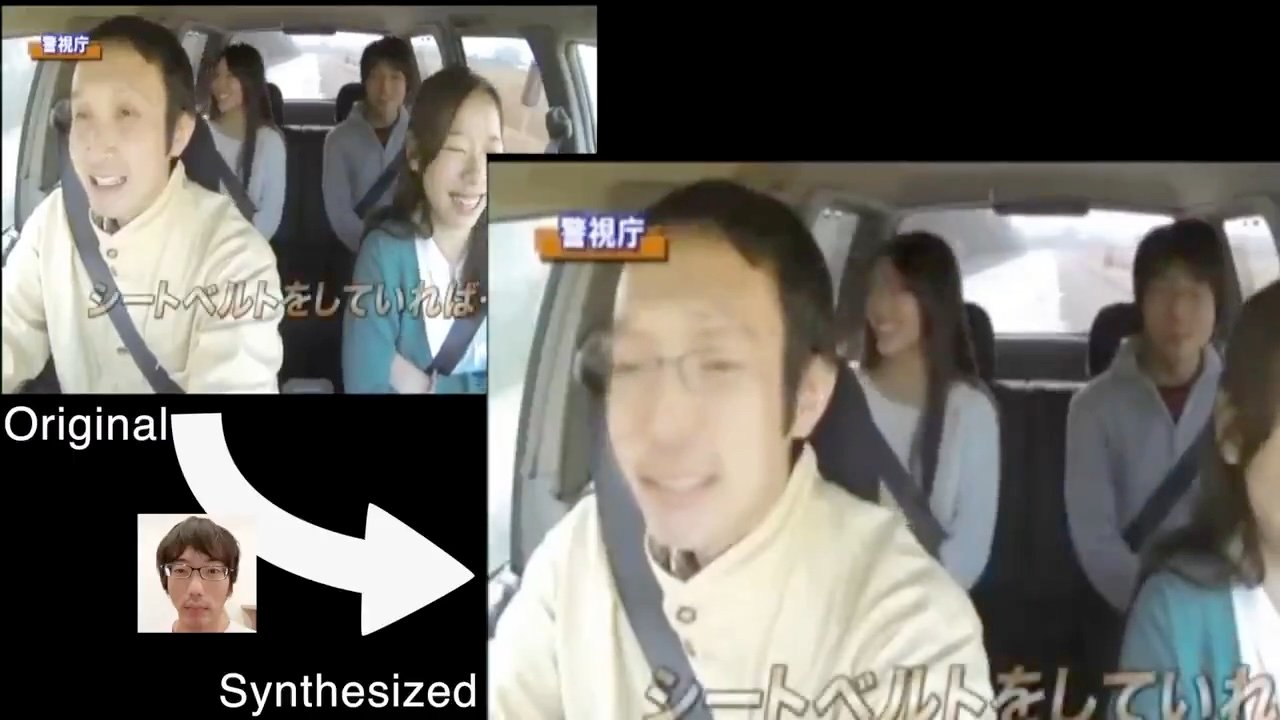
Whether renewing a driver’s license, completing mandatory workplace compliance, or watching pre-flight cabin demonstrations, we are constantly made to watch instructional safety videos.
No matter how dramatically the actors portray catastrophic scenarios, it is easy to disengage and watch passively because it fundamentally feels like "someone else's problem."
So I explored an aggressive way to force engagement: what if the person crashing the car was actually you?
You’d Probably Pay Attention If It Were You and Your Family Crashing
Staged safety videos require an extra layer of mental translation: "Imagine if this happened to me." But witnessing yourself or family members in direct danger triggers a visceral, immediate response in the brain.
Using deepfakes to replace the people in these safety scenarios with myself or loved ones might turn abstract warnings into something genuinely personal:
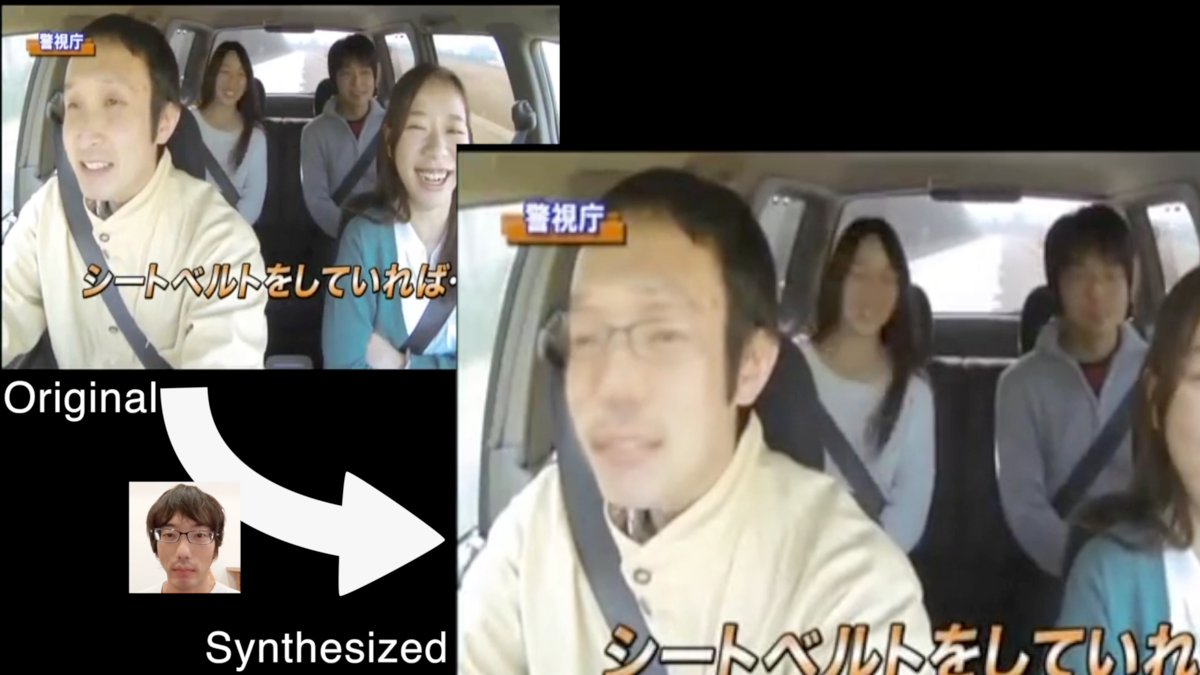
Deepfake technology leverages machine learning to swap one person's face onto another in video footage—notoriously infamous for fake news and malicious use. Above, the driver's face has been swapped with mine.
In motion, the transfer works surprisingly well, glasses and all. (Incidentally, every passenger in the car has also been replaced with me):
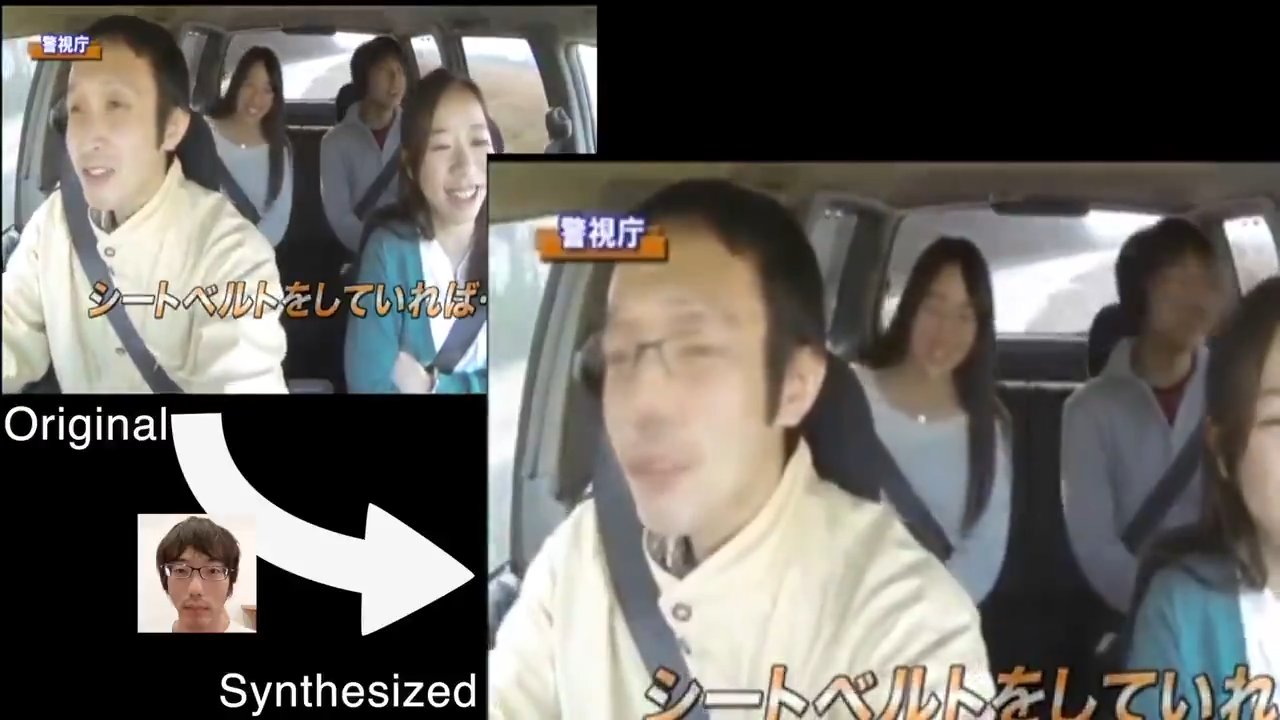
Original Video: Tokyo Metropolitan Police Department - Seatbelt Safety in the Backseat
In the original clip, it was just "some stranger getting hurt." Swapping in my own face immediately made my heart race a bit faster. (To someone who doesn't know me, of course, it just looks like one stranger replaced with another.)
Giving customized safety videos featuring new drivers or traffic offenders themselves could make consequences feel tangible and encourage safer driving habits.
That said, differences in hairstyles and unfamiliar passengers still leave some cognitive friction. Swapping all passengers with actual family members would likely heighten the realism, though I couldn't find source videos matching my children's ages.
I also tested out several other variations:
Myself crashing a bicycle:
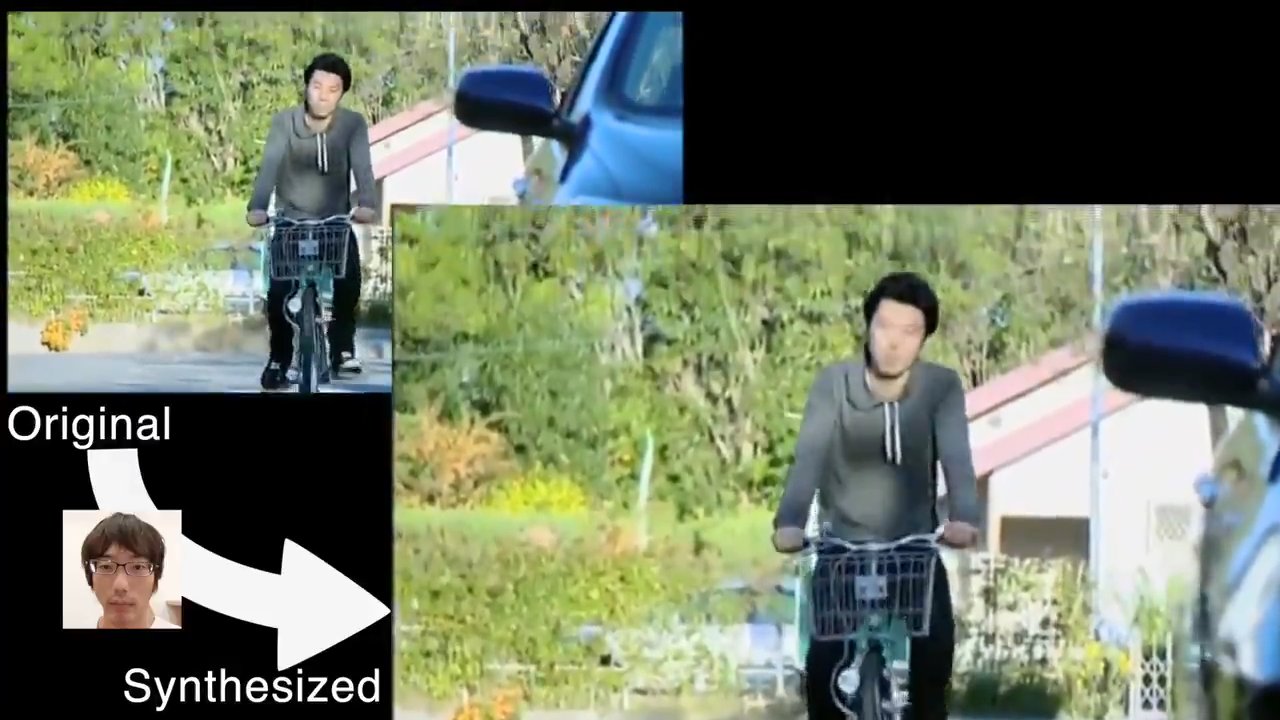
Original Video: JA Kyosai Safety DVD - Predicting Hazards
The bone structure was too different, so this one felt slightly off.
Myself getting scolded for flushing a toilet after a disaster disabled the sewer lines:
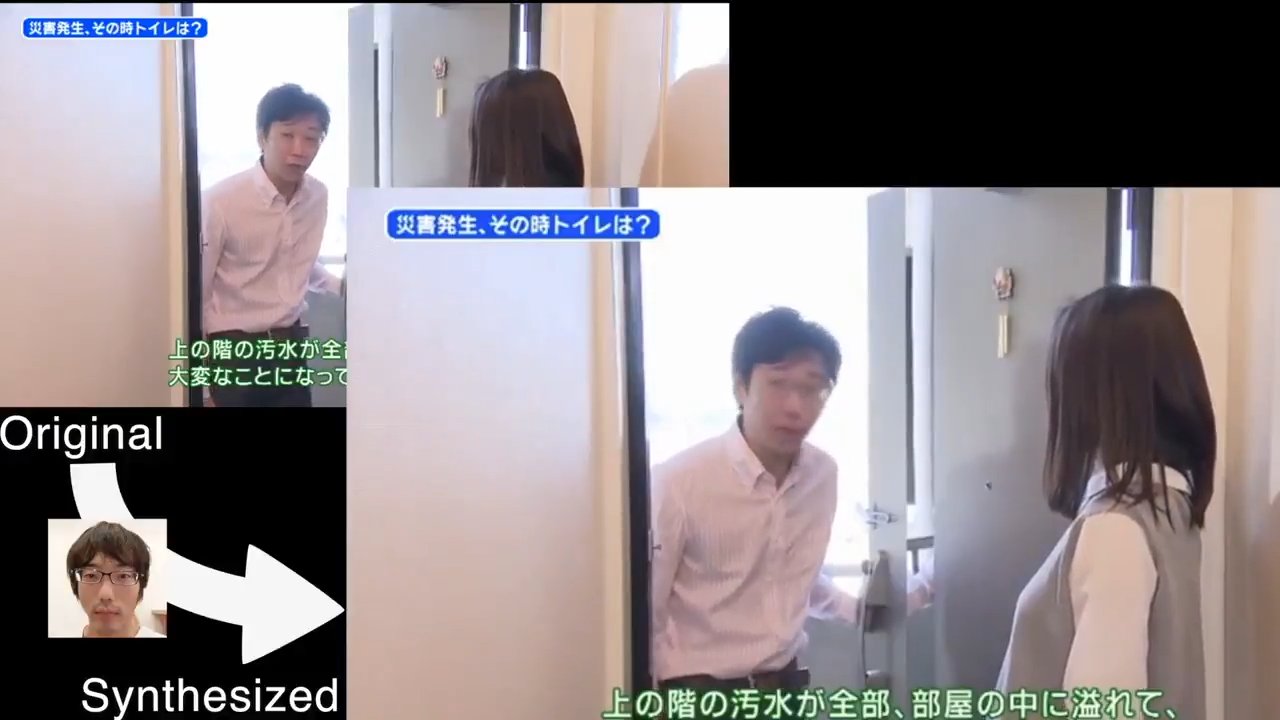
Original Video: Ministry of Land, Infrastructure, Transport and Tourism - Toilets During Disasters
Myself carelessly leaking confidential company secrets online:
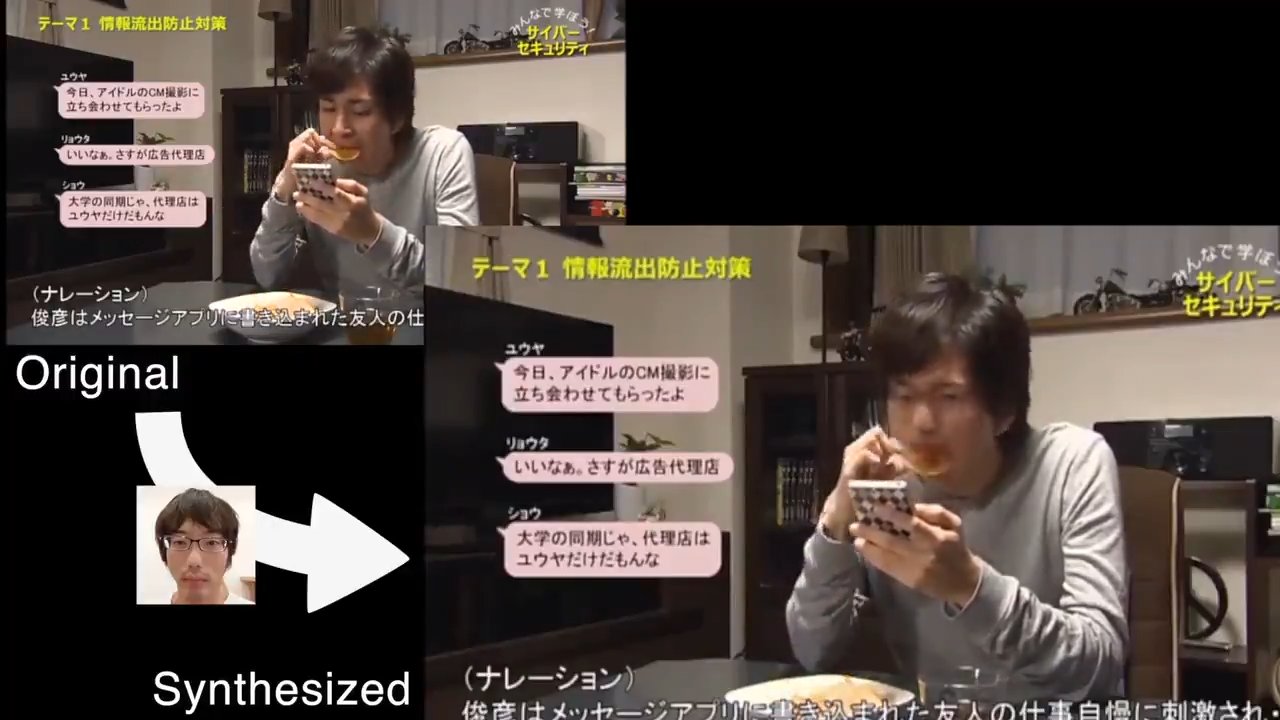
Original Video: Tokyo Metropolitan Police Department - Cybersecurity: Preventing Data Leaks
This one landed much closer, proving that having a similar hairline to the original actor makes a significant difference.
Implementation
I used faceswap—an open-source toolkit handling face extraction, model training, compositing, and video rendering out of the box. There was minimal friction; it worked straight out of the repo:
GitHub - deepfakes/faceswap: Deepfakes Software For All
Closing Thoughts
Swapping recognizable faces to turn distant events into personal realities has plenty of compelling applications. For instance, applying this to historical archives could produce a striking psychological shift.
Inserting yourself or relatives into over-familiar, textbook historical photos could serve as an immediate reminder that the people who lived through those events were real human beings just like us—much like how colorizing black-and-white photography brings historic scenes vividly back to life.
While deepfakes carry a heavily negative reputation, shifting perspectives reveals potential applications that can be put to good use. Tools like faceswap make the barrier to entry remarkably low for exploring new use cases.